

Lorem ipsum dolor sit amet consectetur adipiscing elit dolor sit amet.
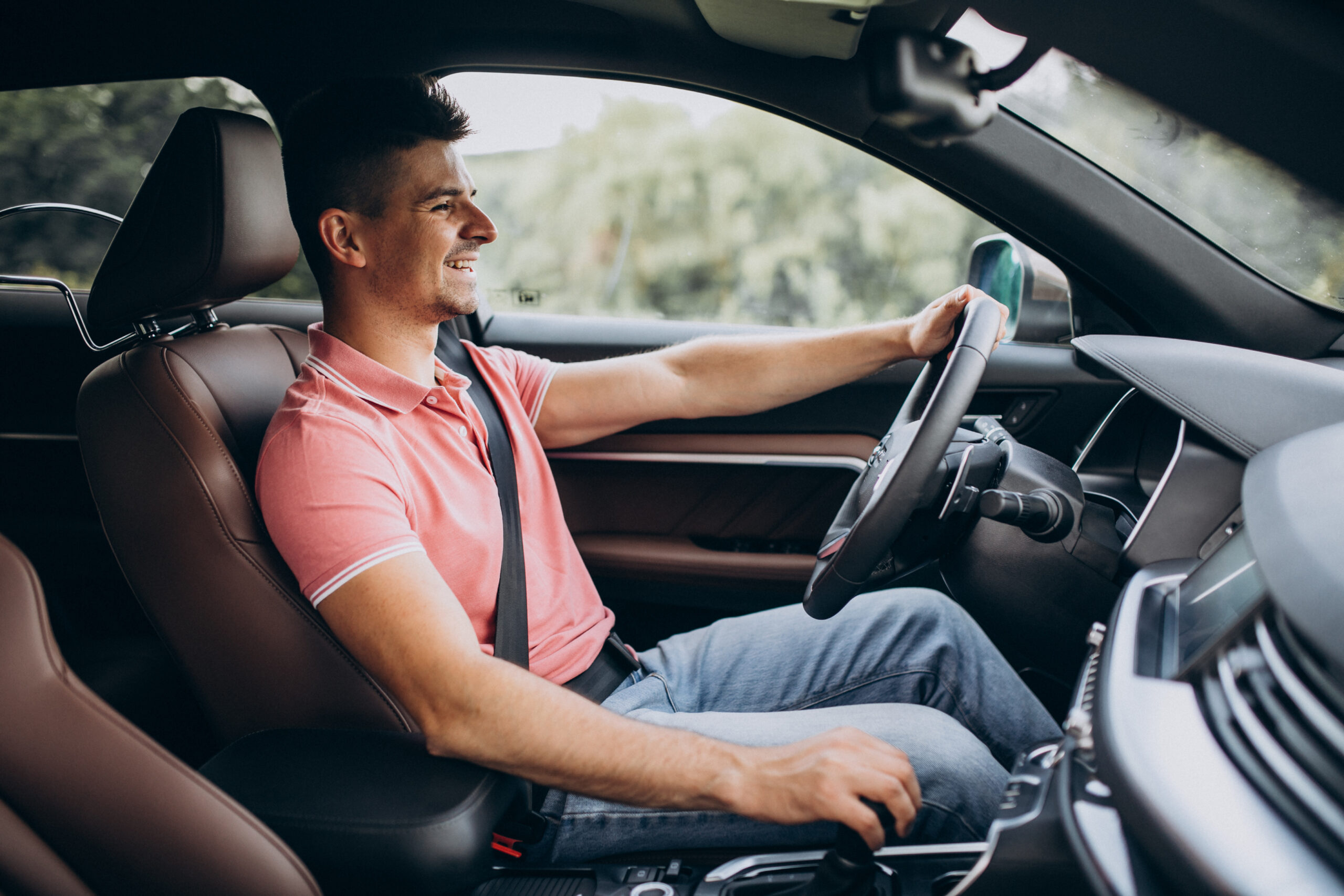
Driver on Call Mahindra City – Reliable Drivers at Your Service

July 14, 2025
Lorem ipsum dolor sit amet consectetur adipiscing elit dolor sit amet.

Chennai, a major automotive hub in India, is experiencing a transformative phase in urban transportation. With global innovations catching up at a rapid pace, the city is slowly embracing the concept of autonomous driving cars. These smart vehicles, which were once part of science fiction, are gradually becoming a reality on Indian roads, particularly in cities like Chennai that offer the right blend of technological advancement and industrial support.
The automotive landscape is witnessing a revolution as driverless cars and cruise self driving technologies continue to evolve. In this blog, we explore how Chennai is adapting to this shift, what it means for commuters, the benefits and challenges, and the road ahead for autonomous cars in India.
Autonomous driving cars, often referred to as self-driving vehicles, are equipped with advanced technologies that allow them to operate without human intervention. These vehicles use a combination of sensors, cameras, radar systems, and onboard computers to interpret the environment and make driving decisions.
There are different levels of vehicle autonomy, from Level 1 (driver assistance) to Level 5 (fully autonomous). Most systems being tested in Chennai currently range between Level 2 and Level 3, where the car can perform certain functions, but a human driver is still required in specific scenarios.
Chennai has long been considered the Detroit of India due to its strong manufacturing and automotive R&D ecosystem. This reputation has given the city a unique advantage when it comes to testing and developing autonomous vehicles.
The presence of leading automobile manufacturers, engineering colleges, technology parks, and software development centers makes Chennai an ideal environment for experimenting with autonomous driving cars. In addition, government initiatives such as smart mobility zones and support for electric vehicles are laying the foundation for widespread adoption.
The journey of driverless cars in Chennai is still in its early stages, but significant progress has already been made. Several startups and automotive companies are conducting tests in controlled environments, and academic institutions are collaborating on sensor and AI development.
These cars are being designed to handle a wide variety of driving conditions found in Chennai—from crowded markets and narrow lanes to highways and arterial roads. Pilot projects have focused on electric autonomous vehicles being used for short-distance commuting and corporate transport.
One of the most promising developments in autonomous transportation is cruise self driving. Cruise technology allows vehicles to maintain a consistent speed, stay within lanes, and manage navigation with minimal driver input.
In Chennai, cruise self driving is being integrated into premium vehicle models and corporate fleets. Areas such as OMR and ECR, which have better infrastructure and less congested roads, are being used to test and refine these systems. The goal is to use this technology for safe long-distance commutes and fleet management in IT corridors.
The integration of autonomous driving cars can offer numerous advantages for the city and its citizens. Some of the major benefits include:
While the prospects are promising, there are several challenges that Chennai needs to overcome for successful adoption of autonomous cars:
Despite these hurdles, there is steady progress. Public-private partnerships, government pilot programs, and awareness campaigns are being initiated to bridge these gaps.
Several companies, both local and international, are investing in the development of autonomous technologies in Chennai. Automobile giants are setting up innovation labs and AI-driven simulation platforms to test self-driving scenarios. Indian startups are working on solutions like 3D mapping, LiDAR-based object detection, and traffic prediction algorithms.
Collaborations with research institutions and international technology companies have brought valuable insights to the development process. This combination of global expertise and local context is accelerating the evolution of autonomous cars in the region.
The Tamil Nadu government has taken proactive steps to promote smart mobility. It has introduced policies to encourage electric vehicle adoption, proposed mobility-as-a-service models, and facilitated testing grounds for autonomous driving technologies.
Future policies are expected to focus on:
Such policies will be critical in enabling smoother and safer deployment of autonomous driving cars in urban and suburban areas of Chennai.
The widespread use of autonomous vehicles will impact not only how people commute but also the job market. While there might be a reduction in traditional driver roles, new opportunities will emerge in vehicle supervision, system maintenance, fleet coordination, and AI system training.
For commuters, travel could become more efficient and less stressful. Services like driverless taxis and autonomous public transport could redefine mobility for Chennai residents.
The evolution of autonomous driving cars in Chennai is not an overnight change. It requires a phased approach, beginning with semi-autonomous features and gradually progressing toward full autonomy.
In the next five to ten years, we can expect:
Chennai’s readiness, both in terms of technical talent and manufacturing strength, places it in a strong position to lead this change.
Autonomous driving cars are more than just a technological trend; they are a vital component of future urban planning. Chennai’s blend of innovation, industrial support, and government backing makes it a promising city for this transformation. With driverless cars and cruise self driving technologies steadily becoming more reliable and accessible, the city is paving the way toward safer, smarter, and more efficient transportation systems.
As the journey continues, stakeholders across sectors must collaborate to ensure that this transition is seamless, inclusive, and sustainable. The road may be long, but the destination promises a future where autonomous cars redefine how we move, work, and live.
Share This :